
Resolving The Tussle Between ONPs And Big Techs Via Ex- Ante Regulations: Debarking A Madhyam Marg
1. INTRODUCTION In the past decade, the digital economy in India has seen a rapid growth bolstered by the ready accessibility of smartphones and internet connectivity. This digital

Fixing Family Feuds: Evaluating Mediation In Matrimonial Disputes In India
Introduction “An ounce of mediation is worth a pound of arbitration and a ton of litigation.”[1] The statement metaphorically yet beautifully captures the essence of
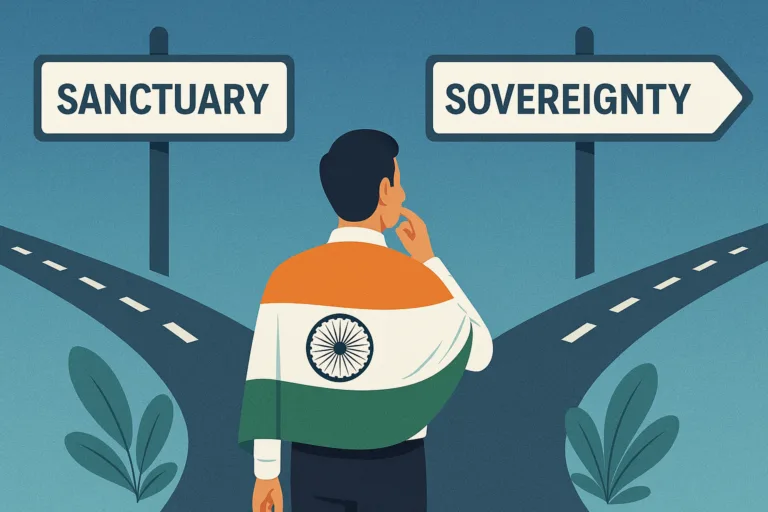
Sanctuary or Sovereignty? Analysing India’s Stance on Non-Refoulement
The blog discusses the widely recognised international principle of non-refoulement and how India has escaped its customary law status. The discussion delves into India’s legal stance, elucidating why the country remains unbound by the principle of non-refoulement, despite its global acceptance. The blog uncovers the legal justifications India employs to avoid obligations under international law, enabling the state to engage in practices that contradict the principle’s essence.

Promoting Sustainability in Indian Textile Industry: A Legal Perspective
The textile industry in India is a force to be reckoned with globally, but it has some major environmental challenges like water pollution. Textile production requires sustainability, focusing on water recycling, cleaner industrial processes, and improved labour standards to avoid negative consequences. In order to enhance the avenues for industries to shift towards sustainability, it is important that the municipal laws align with the international frameworks, especially in its application. Government backing and CSR investments are indispensable to encourage the adoption of eco-friendly practices. The sustainability of the textile sector will not be possible without cooperation among stakeholders.

Diplomatic Dilemma: The Legal Battle Between South Africa And Israel
1. INTRODUCTION One of the primary purposes of law, and international law is the resolution of disputes. International disputes are an inevitable aspect of international

Biometrics: Compromising Privacy For Convenience?
Biometric technology has become ubiquitous in our world, from fingerprint sensors that unlock our smartphones to facial recognition in Facebook photos. While biometrics may offer increased security and convenience, they also expose us to potential abuse, data theft, and surveillance. Consequently, governments implementing biometric national IDs and tracking systems must be cognizant of the potential harms. This article discusses the prevalent use of biometrics, its potential harms, and the way forward. As we look to the future of biometrics, it is imperative that we reassess its social consequences and explore alternative identity verification methods that respect our rights.